
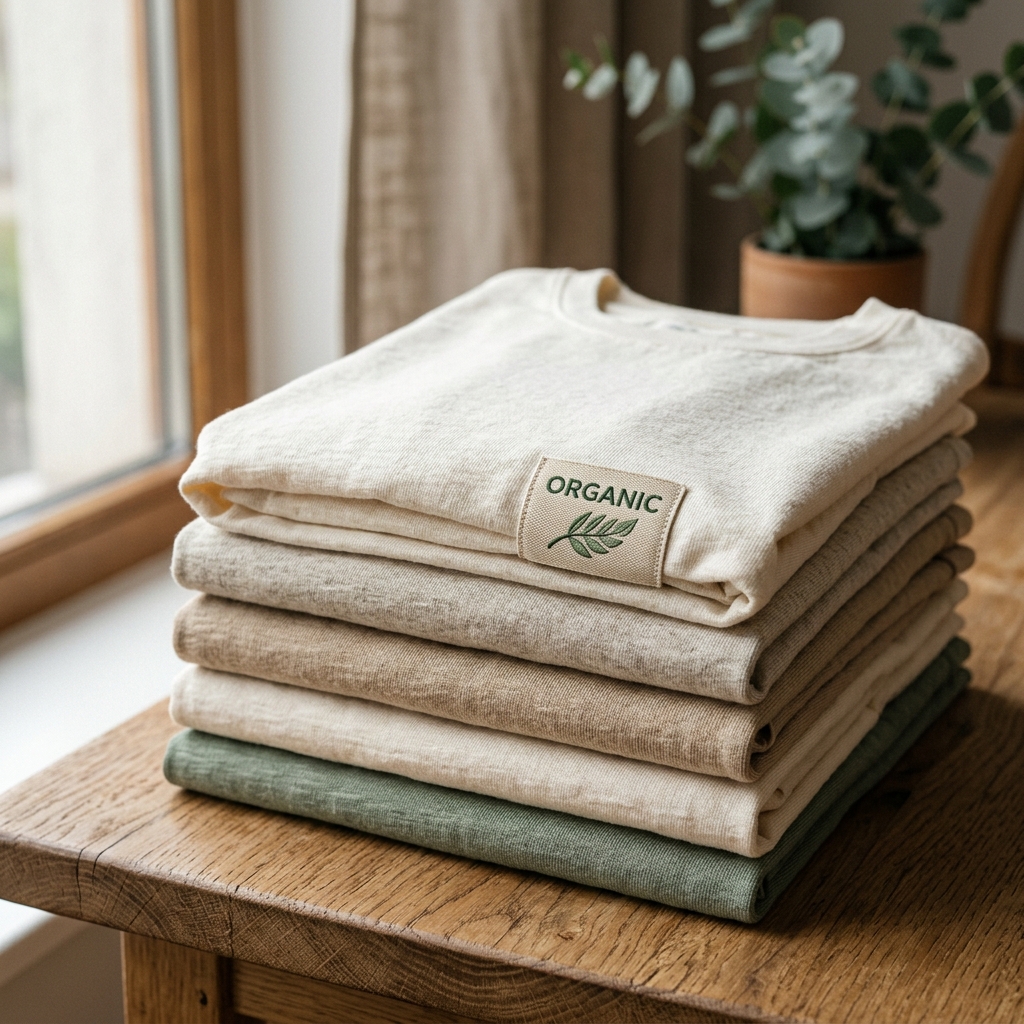
The global apparel industry is one of the largest polluters on the planet. For decades, the promotional merchandise and college swag industry has contributed heavily to this problem, producing millions of cheap garments that end up in landfills after just a few wears. But the tide is turning.
The Problem with Fast Merch
When a university or corporate entity orders cheap t-shirts for an event, the hidden cost is immense. These garments are often made from virgin polyester or chemically intensive conventional cotton. Because they are uncomfortable and poorly designed, they are worn once and discarded.
This "fast merch" cycle is not just bad for the environment; it's bad branding. A cheap, ill-fitting t-shirt communicates a lack of care and quality.
The Shift to Sustainable Fabrics
Gen Z and millennial students are demanding better. They are acutely aware of the climate crisis and want the brands they associate with to reflect their values. This has led to a massive surge in demand for sustainable custom apparel.
- Organic Cotton: Grown without synthetic pesticides, requiring significantly less water.
- Recycled Polyester (rPET): Made from post-consumer plastic bottles, reducing plastic waste.
- Hemp and Bamboo: Fast-growing, low-impact crops that produce incredibly durable and soft fabrics.
"Sustainability is no longer a 'nice-to-have' marketing angle; it is a fundamental requirement for the next generation of consumers."
UniWardrobe's Commitment
At UniWardrobe, we are actively transitioning our supply chain to prioritize eco-friendly materials and ethical manufacturing processes. We believe that the most sustainable piece of clothing is the one you keep wearing for years.
By focusing on premium quality and timeless design, we ensure that our merch stays in closets, not landfills.